- Endurance
08 11 2026
19 11 2026
At Peugeot Sport, performance and responsibility go hand in hand.
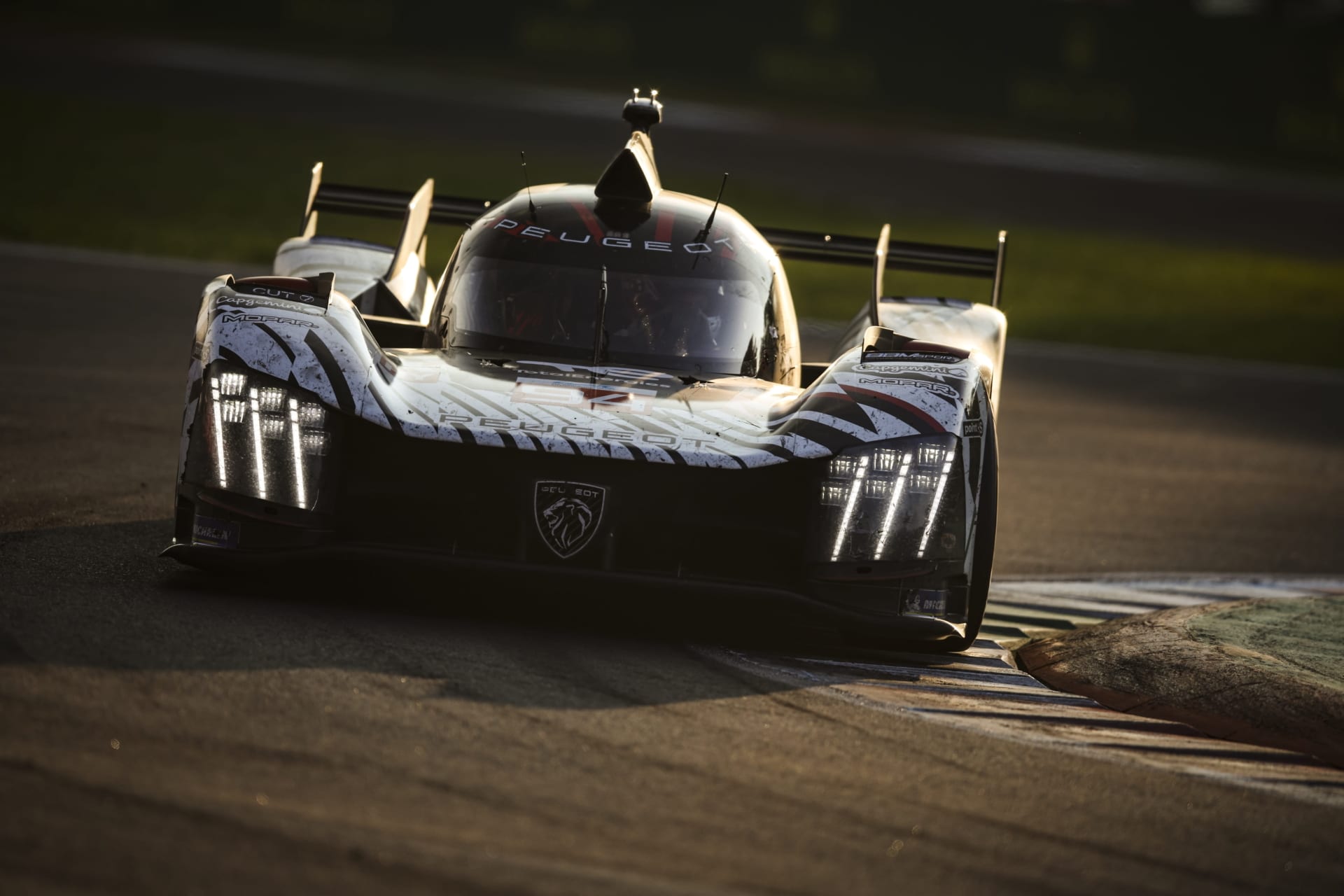
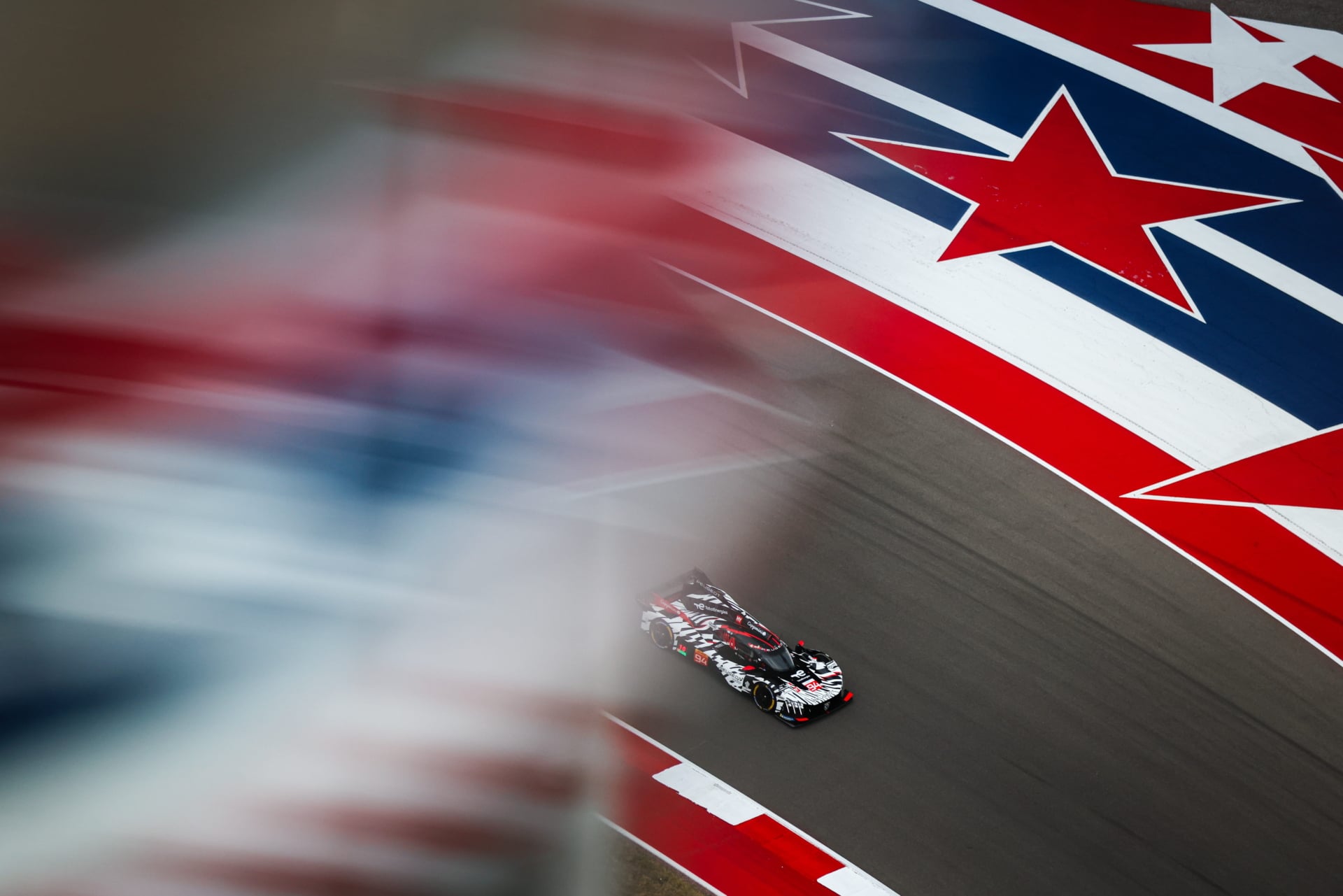
From the design of the PEUGEOT 9X8 to race weekend operations, sustainability is an integral part of how we compete in the FIA World Endurance Championship. Guided by Stellantis’ Dare Forward 2030 strategy, we continuously work to reduce the environmental impact of our programme while supporting initiatives led by the FIA WEC and the Automobile Club de l’Ouest (ACO).
Since 2022, Peugeot Sport has measured the carbon footprint of its endurance racing programme, helping identify where action can have the greatest impact. This work has led to concrete initiatives across every aspect of the programme, from the race car itself to the way equipment travels around the world and how the team operates trackside.
Designing a More Efficient Race Car
Every sustainability journey starts with understanding where the impact comes from.
When Peugeot Sport analysed the carbon footprint of the PEUGEOT 9X8 programme, parts and materials emerged as one of the largest contributors. Working closely with suppliers, developing eco-design expertise and focusing on the vehicle’s most carbon-intensive components has helped reduce emissions associated with parts and materials by 26% since 2023.
Like performance, sustainability is often won in the details. Long before a PEUGEOT 9X8 turns a wheel on track, decisions made during design, sourcing and manufacturing already influence its environmental footprint.
Moving Smarter Around the World
Endurance racing is a global challenge. Cars, spare parts, equipment and team members travel thousands of kilometres throughout the season.
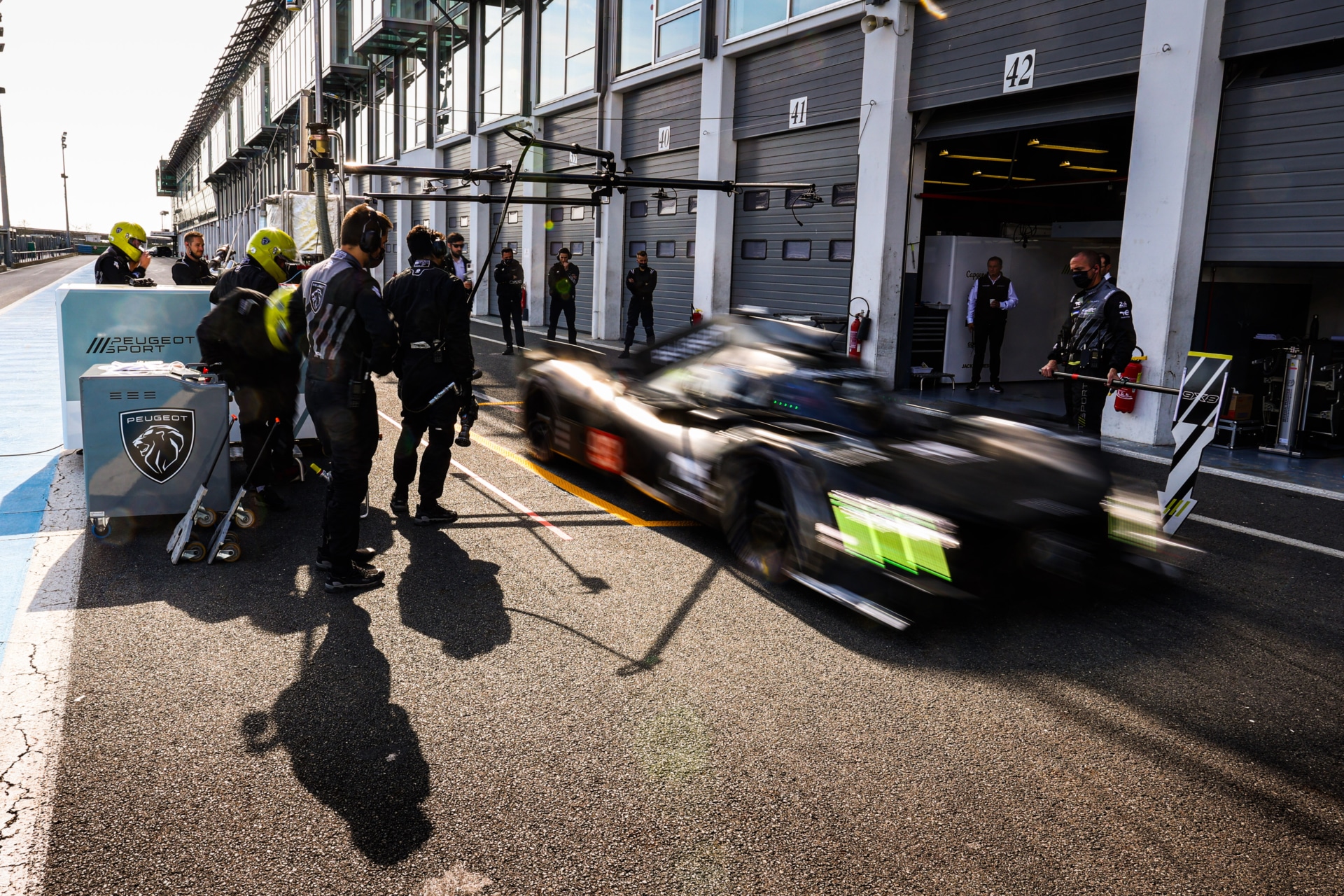
To reduce the impact of these operations, Peugeot Sport increasingly favours sea freight over air transport whenever timing allows. Additional sets of equipment have been introduced to make this approach possible, helping avoid unnecessary air shipments.
On the road, the team’s transport fleet and company vehicles operate using HVO100 renewable fuel, which significantly reduces CO₂ emissions compared with conventional diesel.
Together, these measures have helped reduce road transport emissions by 79% since 2023, proving that sustainability gains are not only found in the garage or on the race track.
Sustainability on Every Race Weekend
Sustainability extends beyond the race car itself.
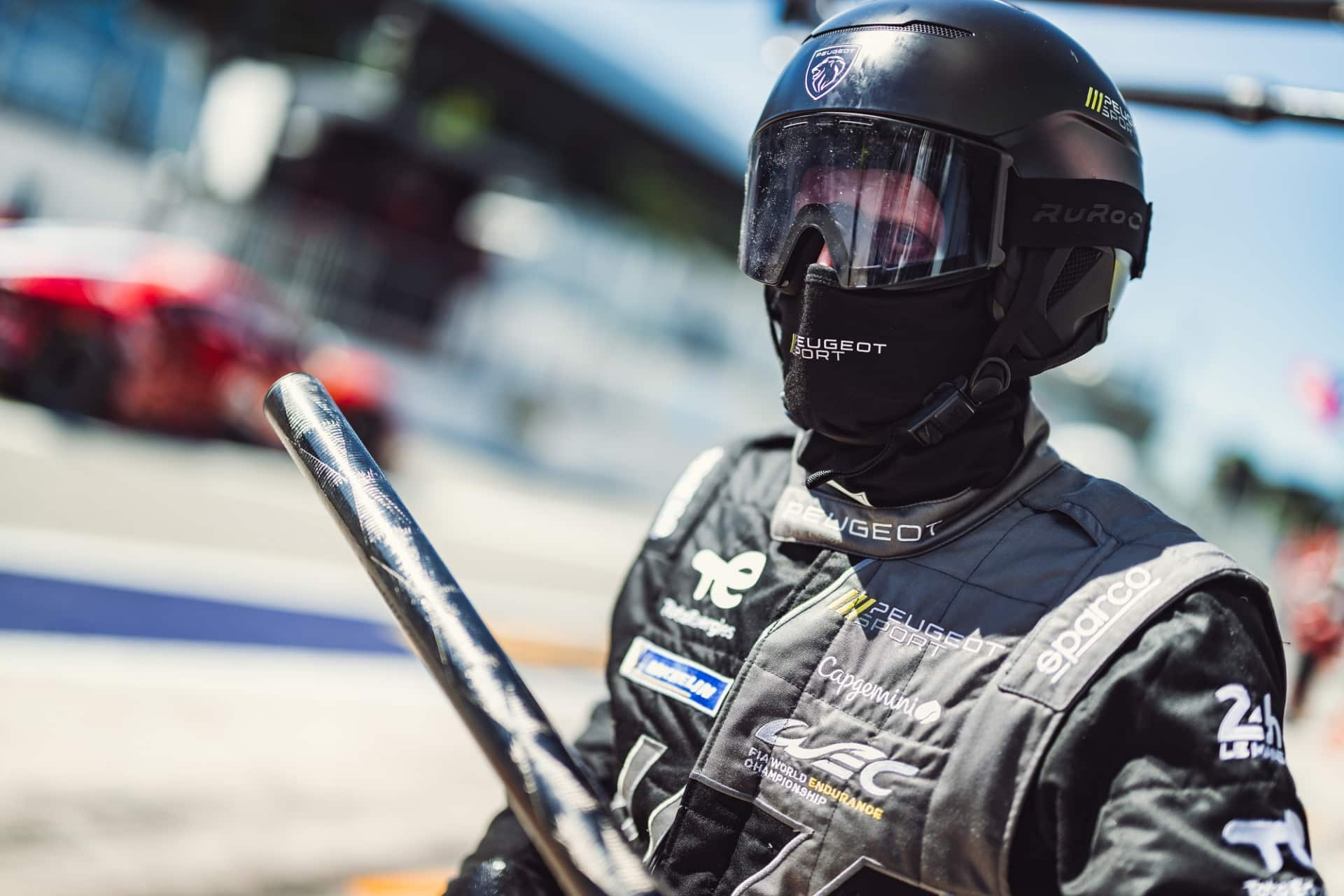
From the moment the team arrives at the circuit, practices are integrated into daily operations. Peugeot Sport works with partners that share the same commitment, prioritising responsible sourcing, local suppliers and waste reduction initiatives.
One example can be found in the hospitality area. Together with Bivouac, Peugeot Sport closely monitors food consumption throughout the weekend, with the objective of keeping the gap between meals ordered and meals served to a minimum. It is a simple initiative, but one that demonstrates how attention to detail can reduce waste while maintaining the level of service expected in a world championship environment.
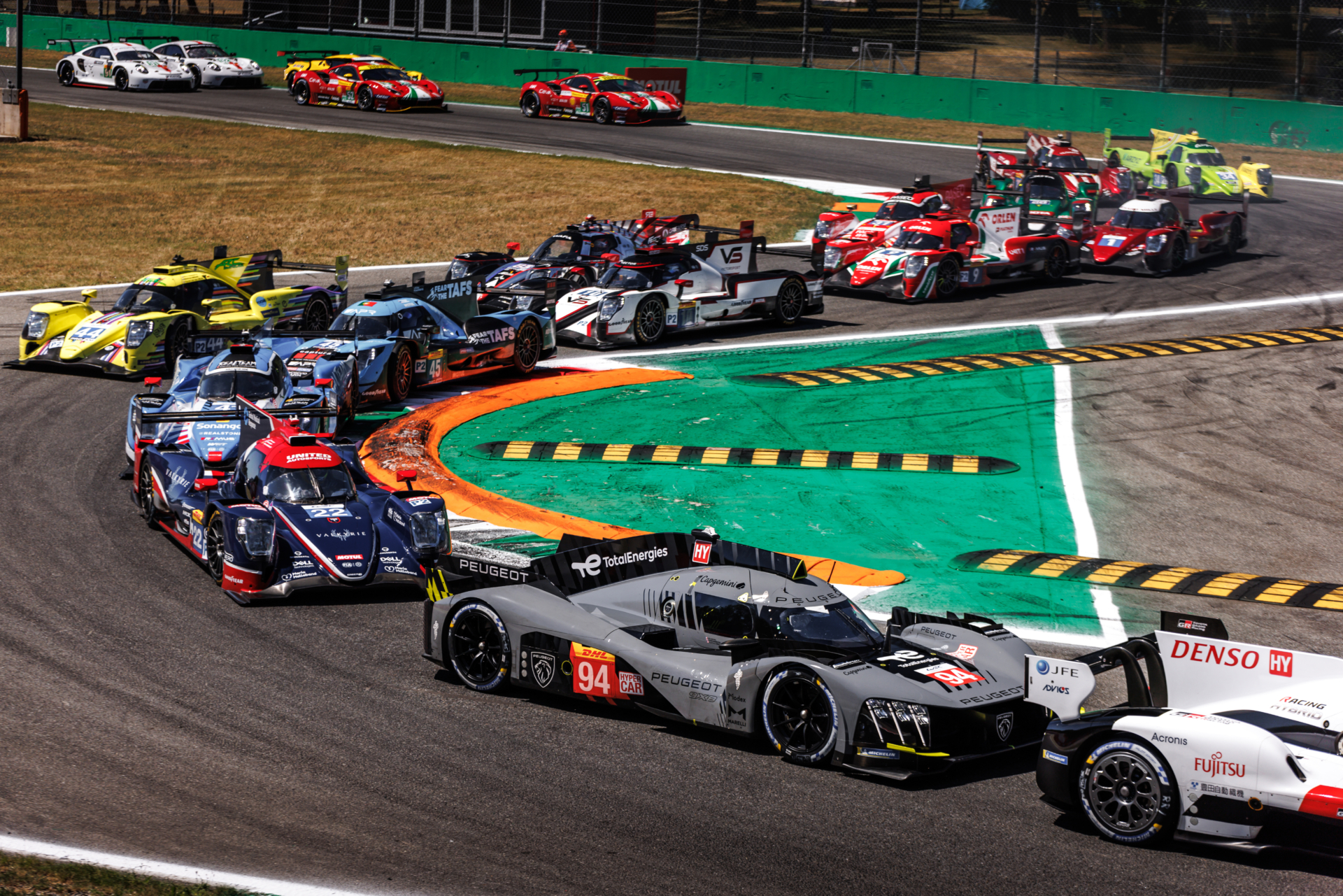
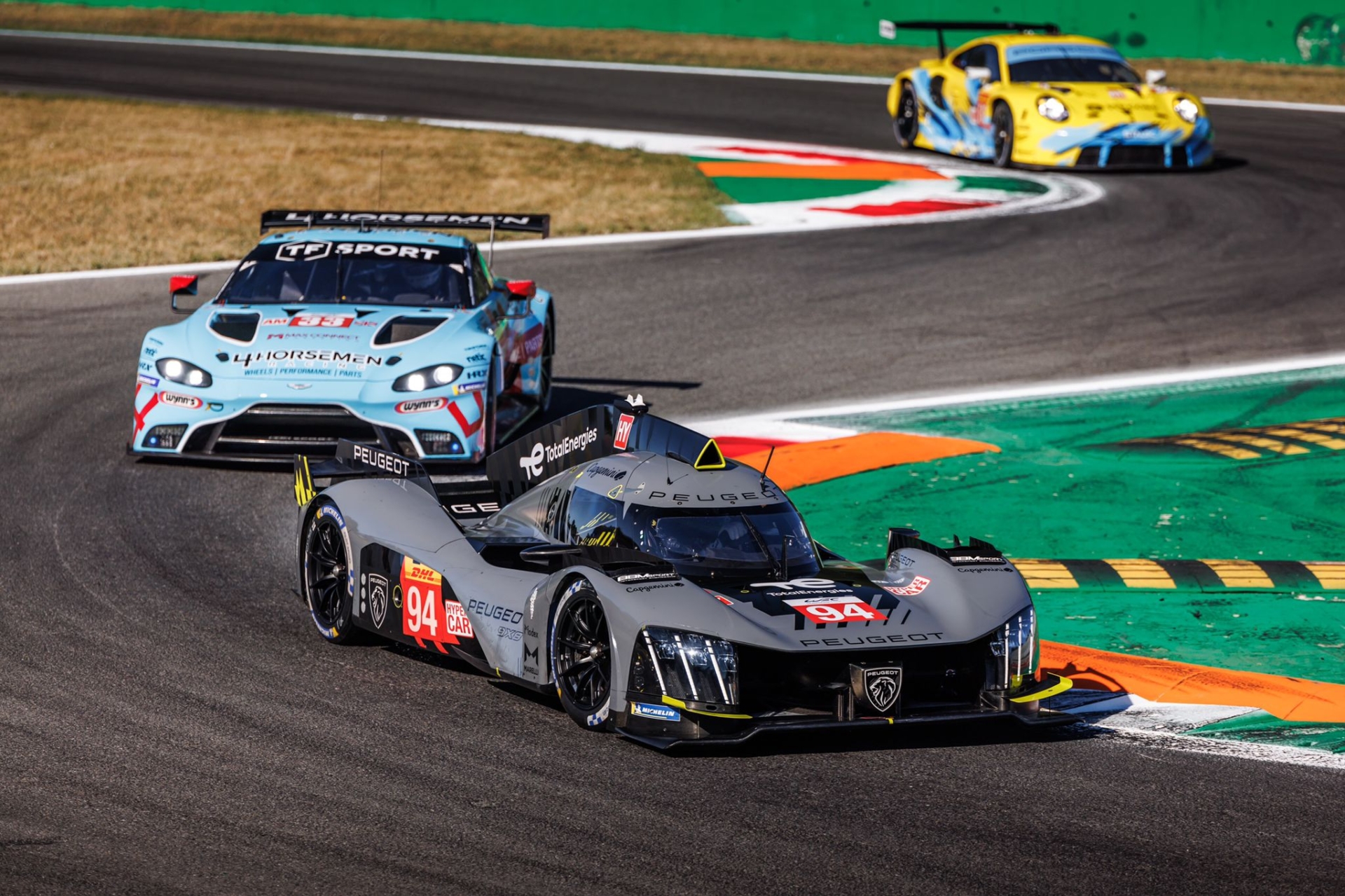
On track, some of Peugeot Sport’s closest technical partners are also helping shape a more sustainable future for endurance racing. The PEUGEOT 9X8 competes using sustainable fuel supplied by TotalEnergies, while Michelin’s tyre-rental model maximises tyre life cycles and limits unnecessary waste by ensuring tyres remain in use for testing, development and competition activities rather than being discarded after a single use.
These initiatives form part of a wider effort across the championship and contributed to Peugeot Sport finishing second overall in the 2026 season standings and third among manufacturers in the DHL Sustainability Award ranking at the 2026 24 Hours of Le Mans.
More Than Racing, Sharing Our Passion
For Peugeot Sport, sustainability is not only about environmental performance.
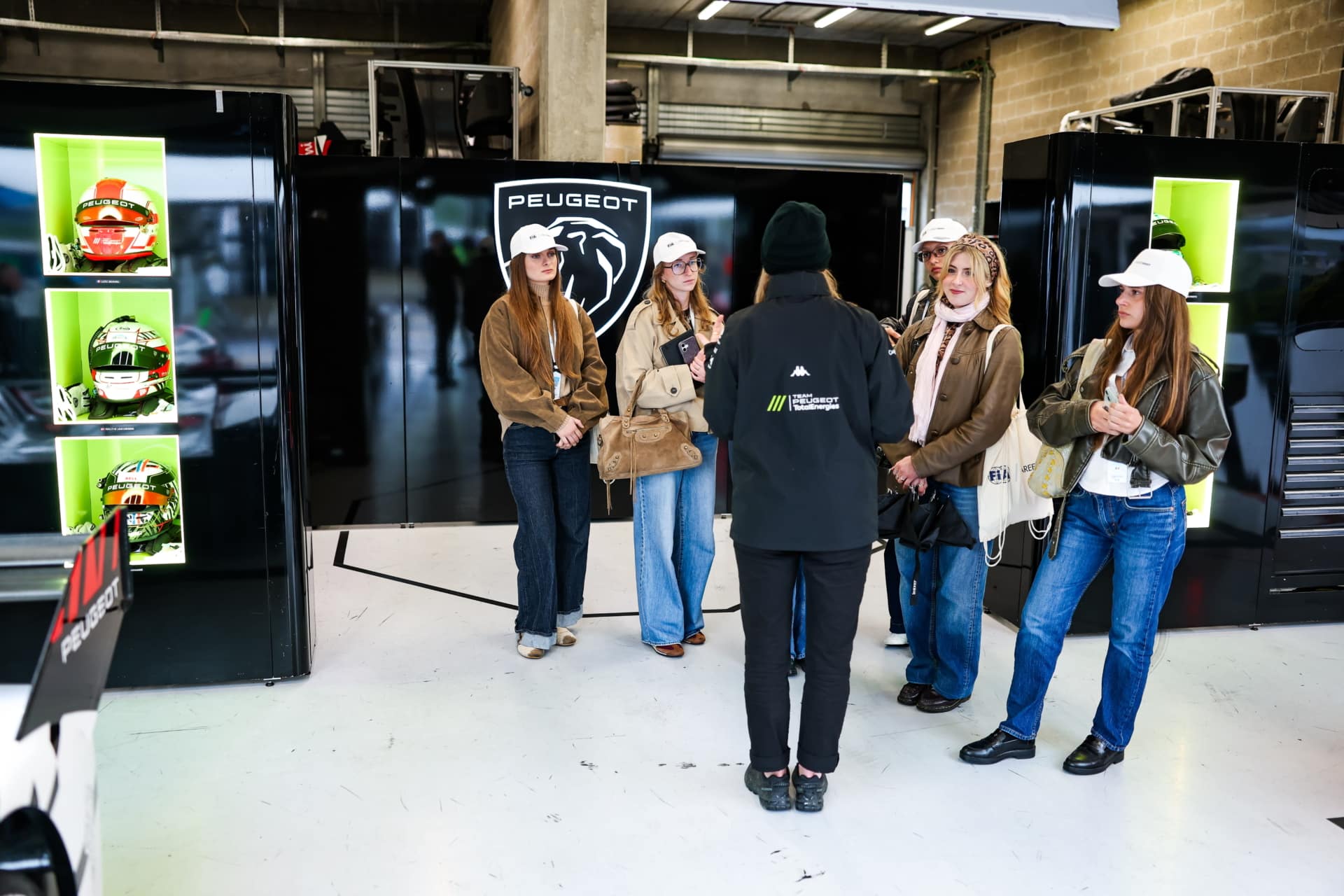
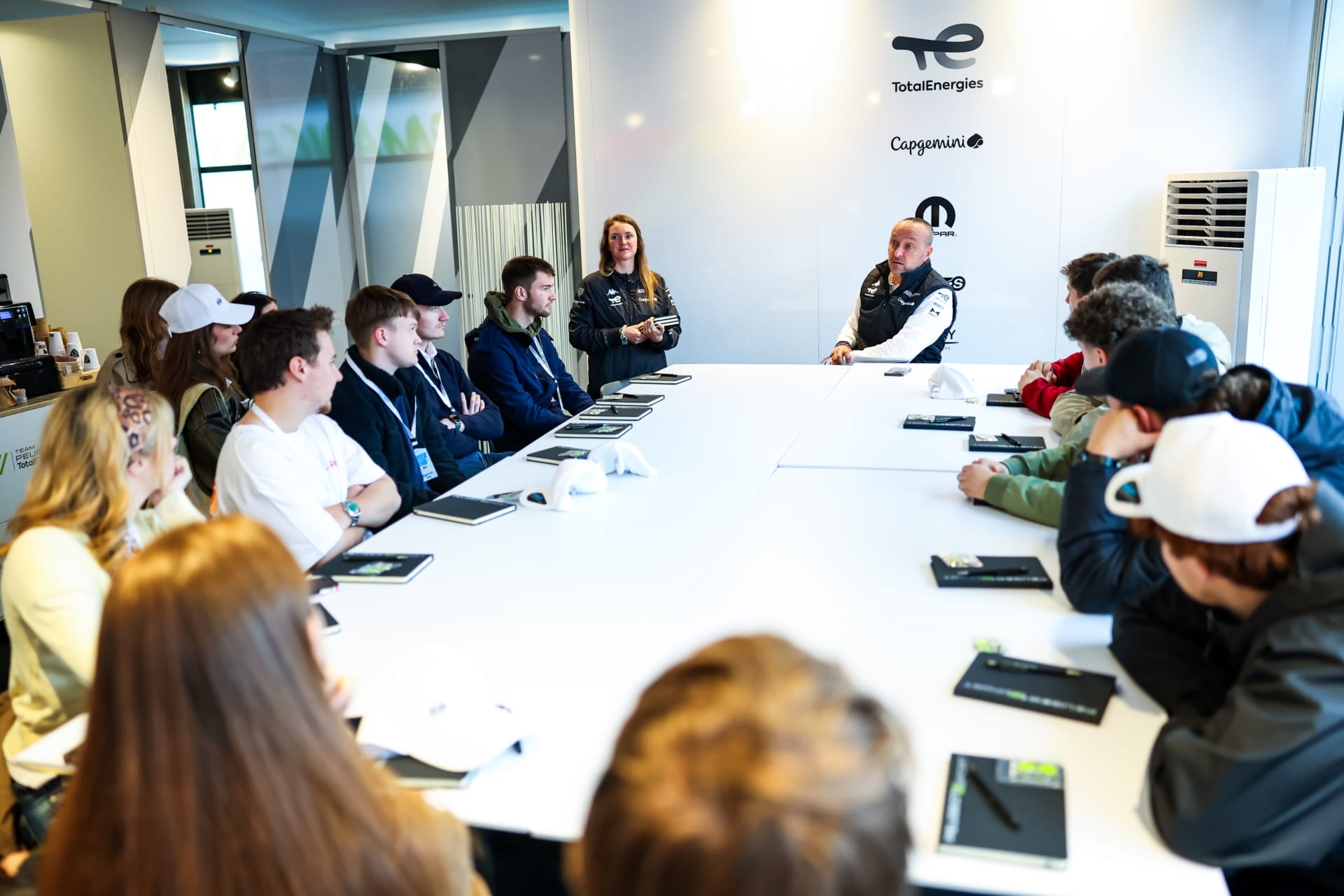
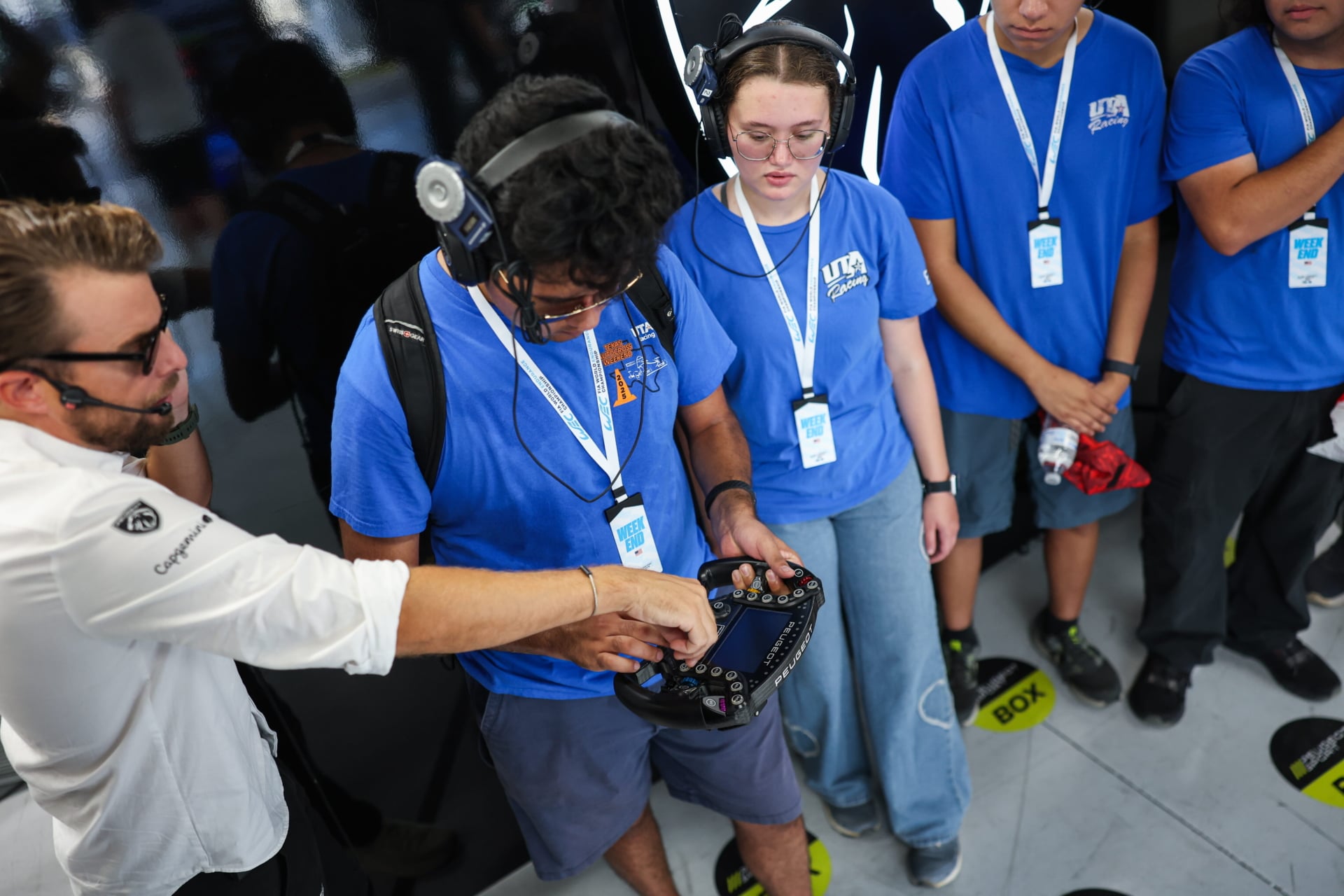
Throughout the FIA WEC season, the team supports initiatives designed to create a positive impact within local communities. Team members regularly take part in FIA Girls on Track activities, sharing their experiences and helping young women discover the wide variety of careers available in motorsport, from engineering and mechanics to communications and operations.
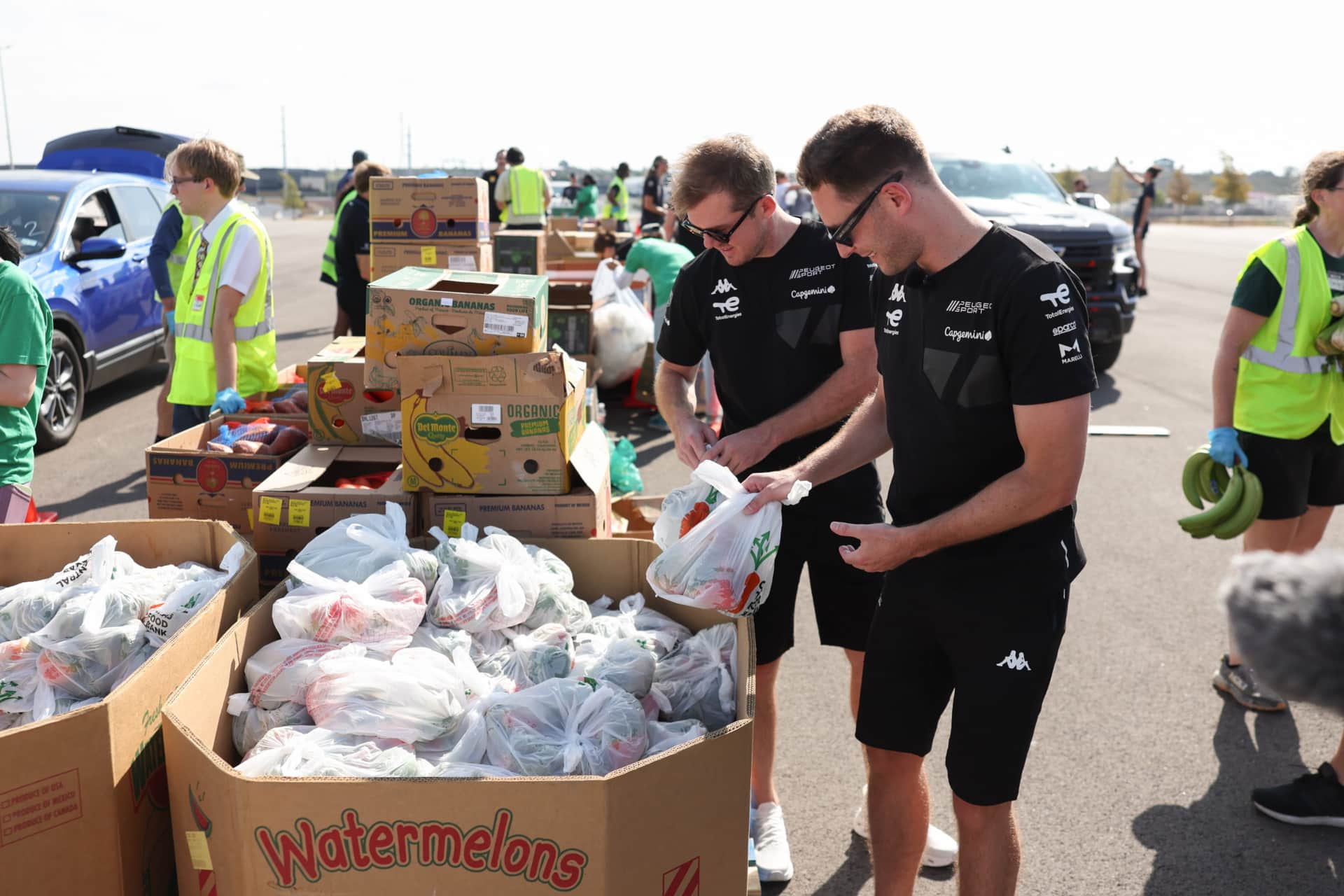
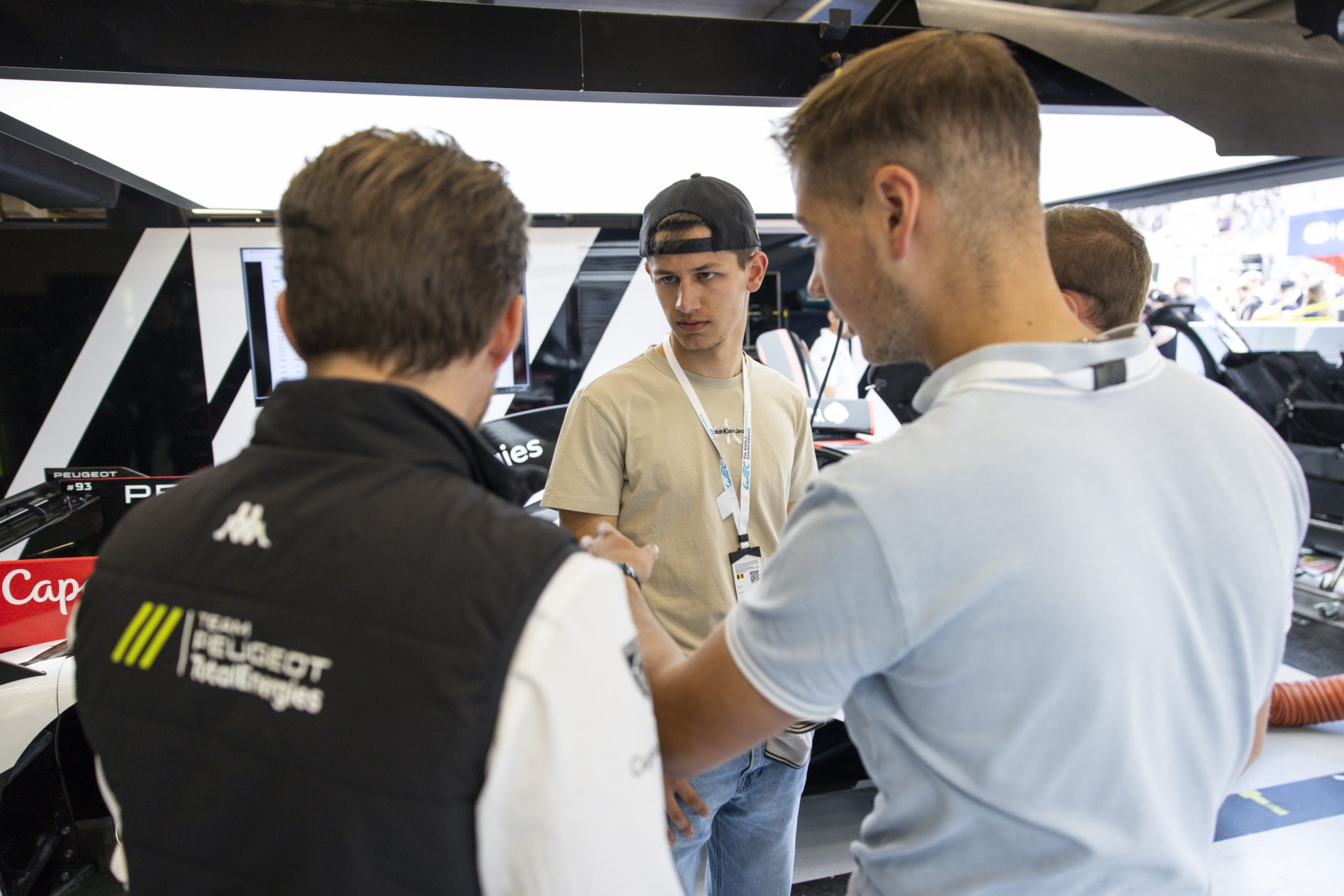
Several community programme and food waste donation were also organised throughout the 2026 season. At the 6 Hours of Imola, Barcelona and Monza, Peugeot Sport took part in food waste initiatives by donating leftover food from the race weekends to local organisations. In Austin, members of the PEUGEOT 9X8 crew joined volunteers from the Central Texas Food Bank to distribute essential supplies to local families. In Fuji, a PEUGEOT 9X8 bodywork component was donated for a charity auction. At Le Mans, Peugeot Sport took part in the Impact Challenge while welcoming a local student behind the scenes to discover the technical professions that bring endurance racing to life.
At the final race of the season in Monza, Nick Cassidy and Théo Pourchaire took this commitment one step further by joining a tree-planting initiative in Monza Park, as part of the FIA WEC reforestation project to help restore areas damaged by the severe storms of July 2023.
Back at Versailles-Satory, employees contribute throughout the year through book and toy donation programmes as well as recycling initiatives. One recent project saw nearly 2,000 litres of used team clothing collected and transformed into fibres that can be reused in textiles, insulation materials and other products, extending the life of materials that might otherwise have been discarded.
One Team, One Goal
Whether it is improving the efficiency of a component, reducing transport emissions, limiting food waste in hospitality or supporting local communities, the objective remains the same: continuous progress.
Because in endurance racing, success rarely comes from one major breakthrough. It comes from hundreds of small improvements added together.
Sustainability follows exactly the same principle.
At Peugeot Sport, it is simply another way of pushing performance further.
Olivier Jansonnie, Stellantis Motorsport Director
“Since 2021, Stellantis Motorsport has implemented a holistic approach to reduce its greenhouse gas emissions across all activities, with clear 2030 targets: −75% on Scopes 1 and 2 (vs. 2022, absolute) and −25% on Scope 3 (vs. 2023, intensity).
This trajectory is supported by a comprehensive roadmap engaging all internal functions: engineering, procurement, HR, and operations alongside key external stakeholders. This commitment was recognized with the FIA 3-star environmental accreditation obtained last year.
Stellantis Motorsport’s environmental policy is structured around four pillars: supply chain and eco-design, logistics optimization, commitment on sites, and responsibility during races. Each pillar is supported by dedicated governance and a set of monitored and continuously improved actions. In parallel, social initiatives are deployed through charitable partnerships, donations (food, clothing, goods), and programs connecting hospitalized children with athletes.
The FIA WEC is a key platform for us, with the 24 Hours of Le Mans as a major showcase for these sustainability efforts.”
Claire Magnant, Stellantis Motorsport Business Project Manager
“At Stellantis Motorsport and within Peugeot Sport, we firmly believe that motorsport is not only about performance on the track, but also about accelerating innovation for a more sustainable future. Racing provides a powerful platform to develop, test and promote technologies that can help reduce environmental impact and support the transition towards more sustainable mobility.
Since 2022, we have conducted a detailed assessment of the greenhouse gas emissions generated by our FIA WEC programme and continue to do so annually to measure our progress. This work has enabled us to identify our main sources of emissions and define a clear climate roadmap structured around four pillars: Cars & Parts, Logistics, Sites & People, and Races & Teams. Through targeted initiatives across these areas, we have already achieved significant reductions and continue to drive further improvements.
Recognizing that sustainability goes beyond carbon emissions alone, we have also established an Environmental Management System (EMS) to identify, assess and monitor our broader environmental impacts, including waste management, water consumption, pollution prevention, and environmental compliance.
Sustainability is, however, a long-term commitment. Building a more sustainable form of motorsport and reducing our environmental footprint requires collective effort and continuous engagement. Success depends on close collaboration across our racing team, our facilities in Satory, and our network of partners and suppliers.
Through training sessions, awareness programmes and sustainability reviews, we are committed to keep all stakeholders engaged and empowered to contribute to our environmental objectives.”
Other news
See all
08 11 2026
07 11 2026
02 11 2026
18 10 2026
13 10 2026
08 10 2026
27 09 2026
21 09 2026
17 09 2026
08 09 2026
06 09 2026
31 08 2026
01 08 2026
28 07 2026
13 07 2026
12 07 2026
06 07 2026
14 06 2026

07 06 2026

03 06 2026

09 05 2026

08 05 2026

04 05 2026

19 04 2026

18 04 2026

14 04 2026

31 03 2026

20 03 2026

26 02 2026

19 02 2026

05 01 2026

11 12 2025

26 11 2025

09 11 2025

08 11 2025

07 11 2025

06 11 2025

03 11 2025

24 10 2025

14 10 2025

28 09 2025

27 09 2025

22 09 2025

11 09 2025

08 09 2025

01 09 2025

13 07 2025

12 07 2025

04 07 2025

15 06 2025

15 06 2025

14 06 2025

11 06 2025

08 06 2025

02 06 2025

10 05 2025

09 05 2025

05 05 2025

20 04 2025

19 04 2025

14 04 2025

24 03 2025

01 03 2025

27 02 2025

22 02 2025

20 02 2025

18 02 2025

06 02 2025

16 01 2025

13 01 2025

06 01 2025

28 12 2024

05 12 2024

28 11 2024

26 11 2024

03 11 2024
03 11 2024

30 10 2024
18 10 2024
14 10 2024
15 09 2024

02 09 2024
29 08 2024

14 07 2024

16 06 2024
12 06 2024

09 06 2024

07 06 2024

29 05 2024

16 05 2024

11 05 2024
21 04 2024
20 04 2024
16 04 2024

23 03 2024

03 03 2024
01 03 2024

20 02 2024

14 02 2024
30 01 2024

24 01 2024

19 01 2024

16 01 2024

05 01 2024
03 01 2024

21 12 2023
18 12 2023
04 12 2023
27 11 2023
21 11 2023

06 11 2023
04 11 2023
03 11 2023
30 10 2023

09 10 2023

21 09 2023
10 09 2023
09 09 2023
28 08 2023

22 08 2023
19 07 2023
14 07 2023
09 07 2023

08 07 2023

03 07 2023
30 06 2023
11 06 2023

11 06 2023

10 06 2023
09 06 2023
07 06 2023
04 06 2023

03 06 2023
02 06 2023
22 05 2023
29 04 2023
28 04 2023
25 04 2023
20 04 2023
16 04 2023
15 04 2023
14 04 2023
11 04 2023

18 03 2023
17 03 2023
08 03 2023
20 01 2023

05 01 2023

16 12 2022

08 12 2022
25 11 2022
13 11 2022
11 11 2022

07 11 2022
04 11 2022
17 10 2022

10 10 2022
04 10 2022

23 09 2022

19 09 2022
15 09 2022

11 09 2022

10 09 2022
26 08 2022

16 08 2022

09 08 2022
01 08 2022

25 07 2022

21 07 2022
10 07 2022
09 07 2022

04 07 2022

20 06 2022

08 06 2022

23 05 2022

16 05 2022
05 05 2022

06 04 2022
25 02 2022
21 02 2022

20 01 2022
18 01 2022
12 01 2022
11 01 2022
30 11 2021

29 09 2021

06 07 2021
08 02 2021