- Endurance
21 09 2026
01 08 2026
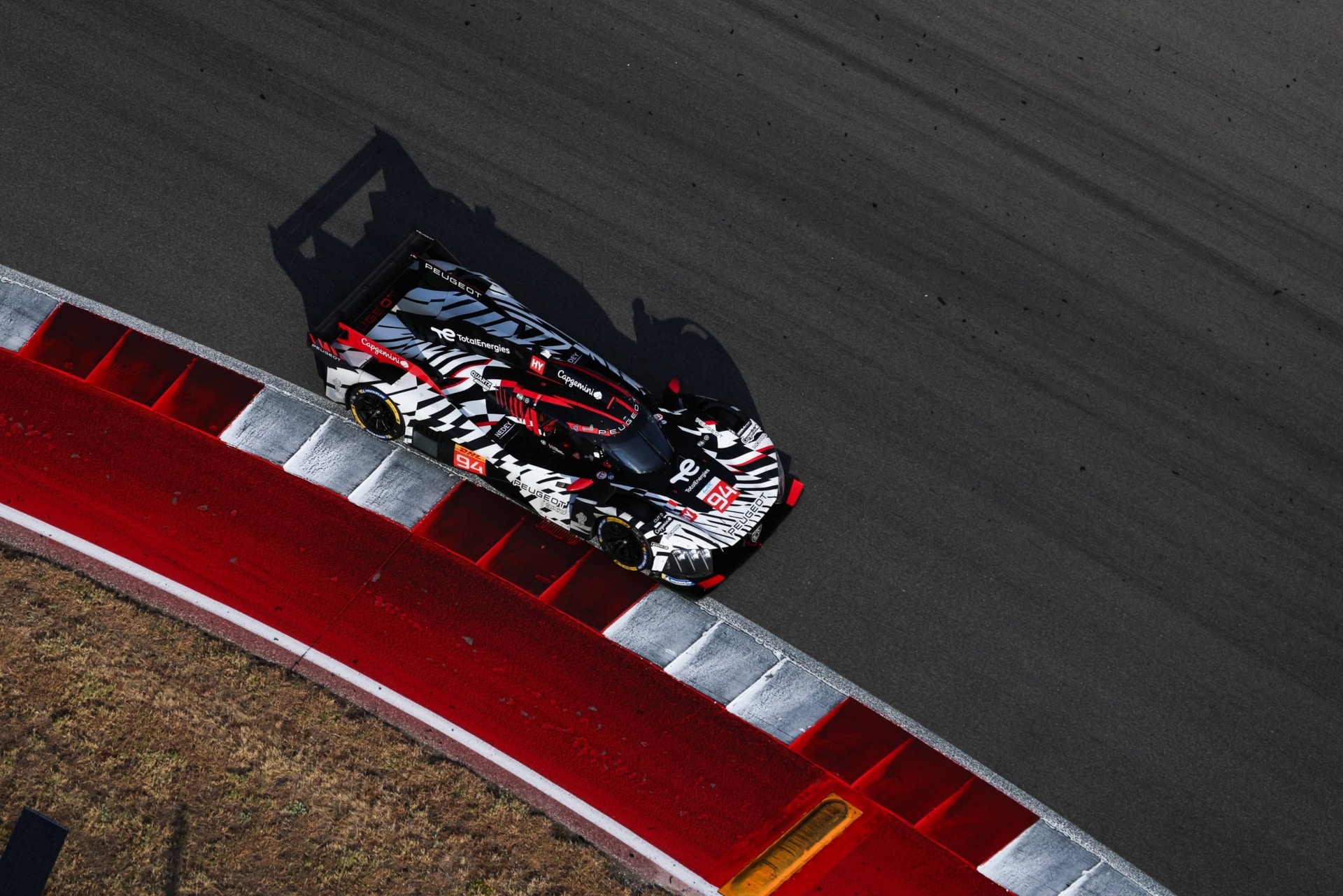
Behind every Hypercar on the FIA World Endurance Championship (WEC) grid are hundreds of checks, inspections and processes designed to guarantee both performance and compliance. At Team Peugeot TotalEnergies, that responsibility falls to one key figure: the Quality Manager.
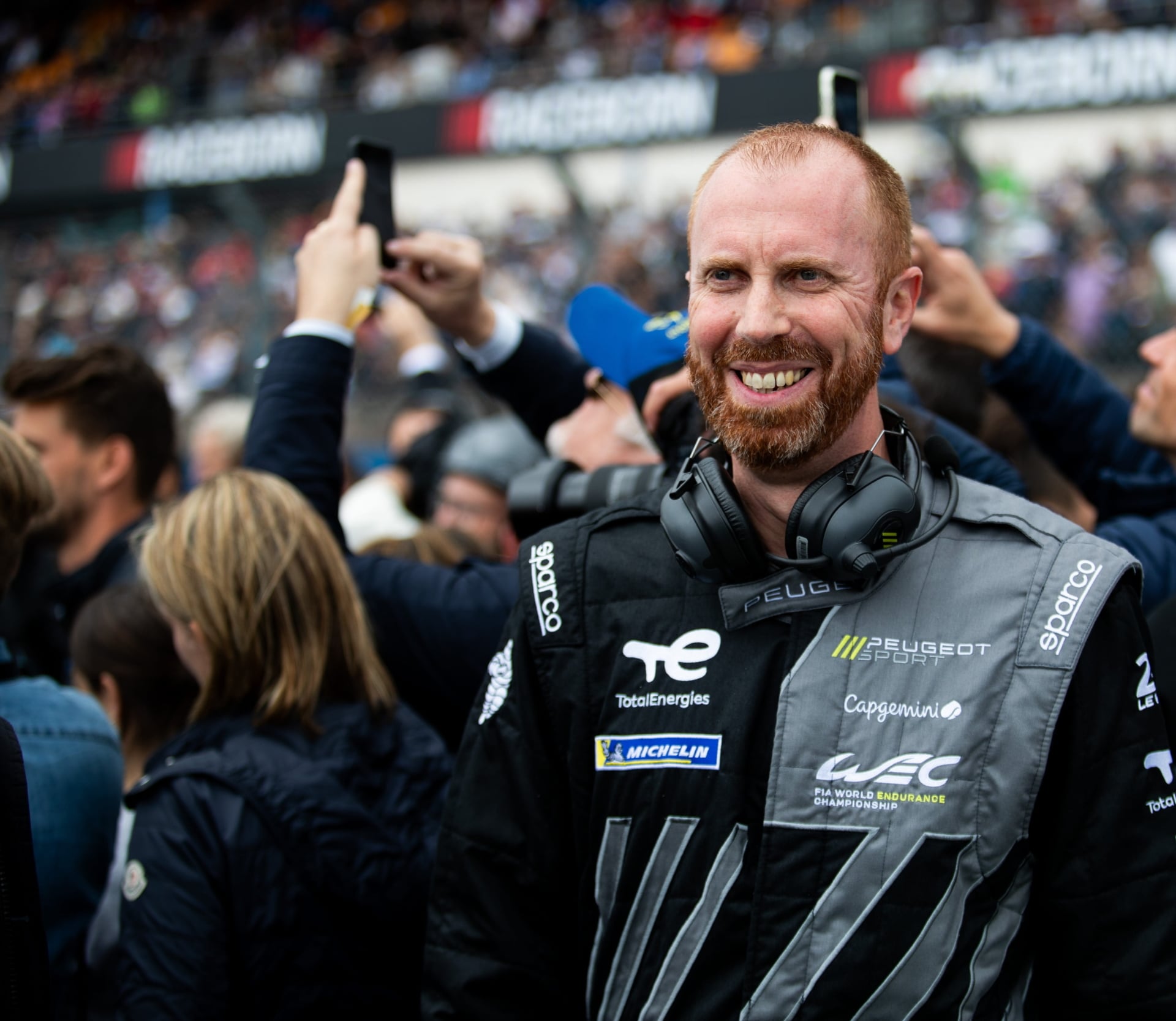
From the Satory facility to racetracks around the world, his day-to-day role is to ensure that every component, every wheel and every procedure meets the highest standards. Meet Olivier Cadoret, a passionate professional living his childhood dream at the heart of endurance racing.
Understanding His Role
At Satory: Quality Manager for Team Peugeot TotalEnergies
Long before the Hypercars reach the track, extensive preparation takes place with suppliers and internal teams. At Satory, Olivier Cadoret ensures that every component meets the team’s technical and regulatory requirements.
“My role is to oversee quality processes, both internally and with our suppliers. That means defining quality standards for the parts they produce for us. Then, together with the metrology team, we verify that every component meets the required specifications upon delivery.”
“That includes checking that the correct materials are used, ensuring there are no dimensional errors, verifying markings, and so on. We work to strict guidelines and standards. In collaboration with the Design Office, which produces the drawings, we require suppliers to provide inspection reports, material certificates and surface treatment reports, for example.”
“Ultimately, it’s about managing supplier documentation and resolving any issues to ensure every part is fully compliant.”
Trackside: Beyond a Single Role
Once the team arrives at the circuit, Olivier’s responsibilities span several areas of the team’s operations.
Tyre Team Lead
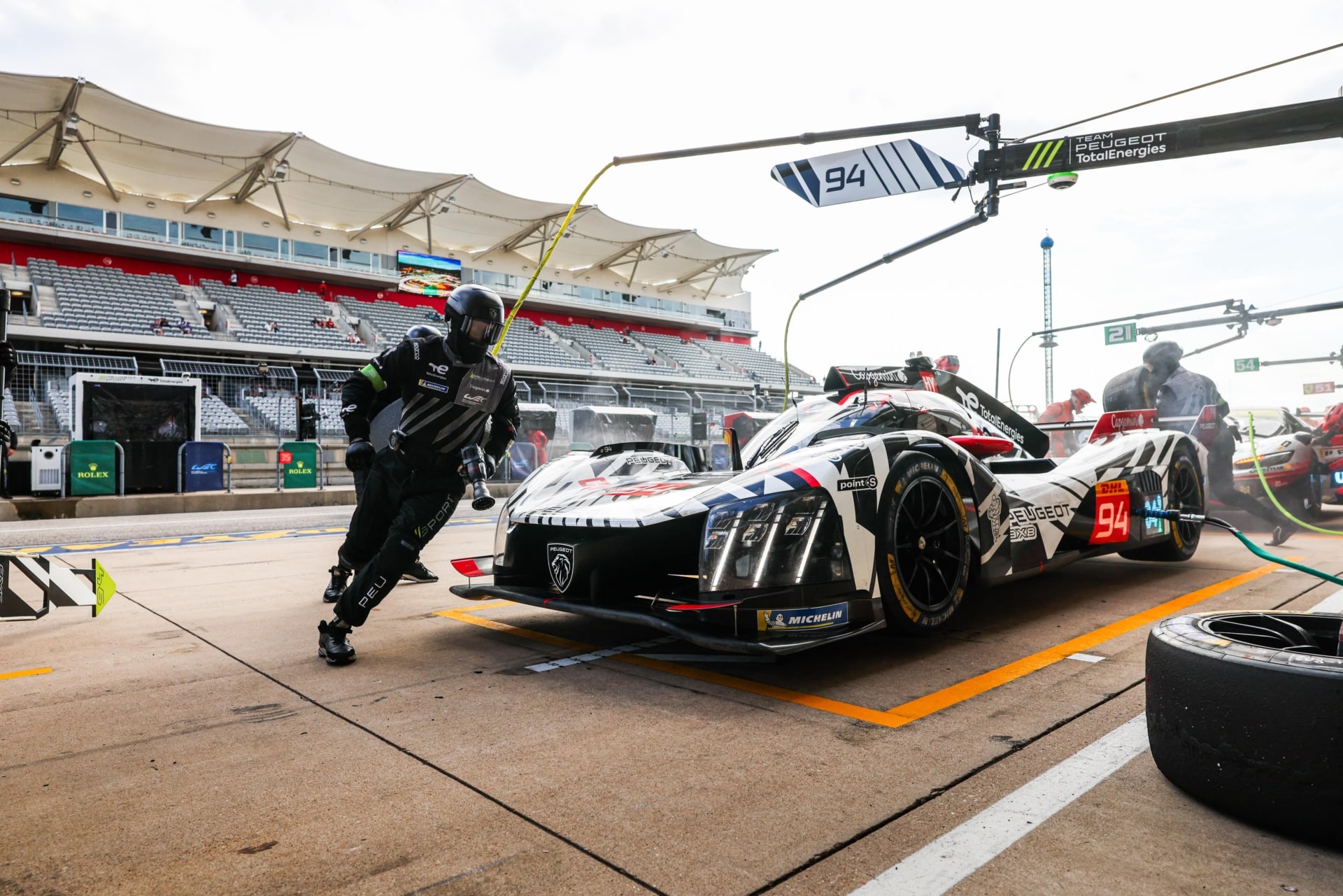
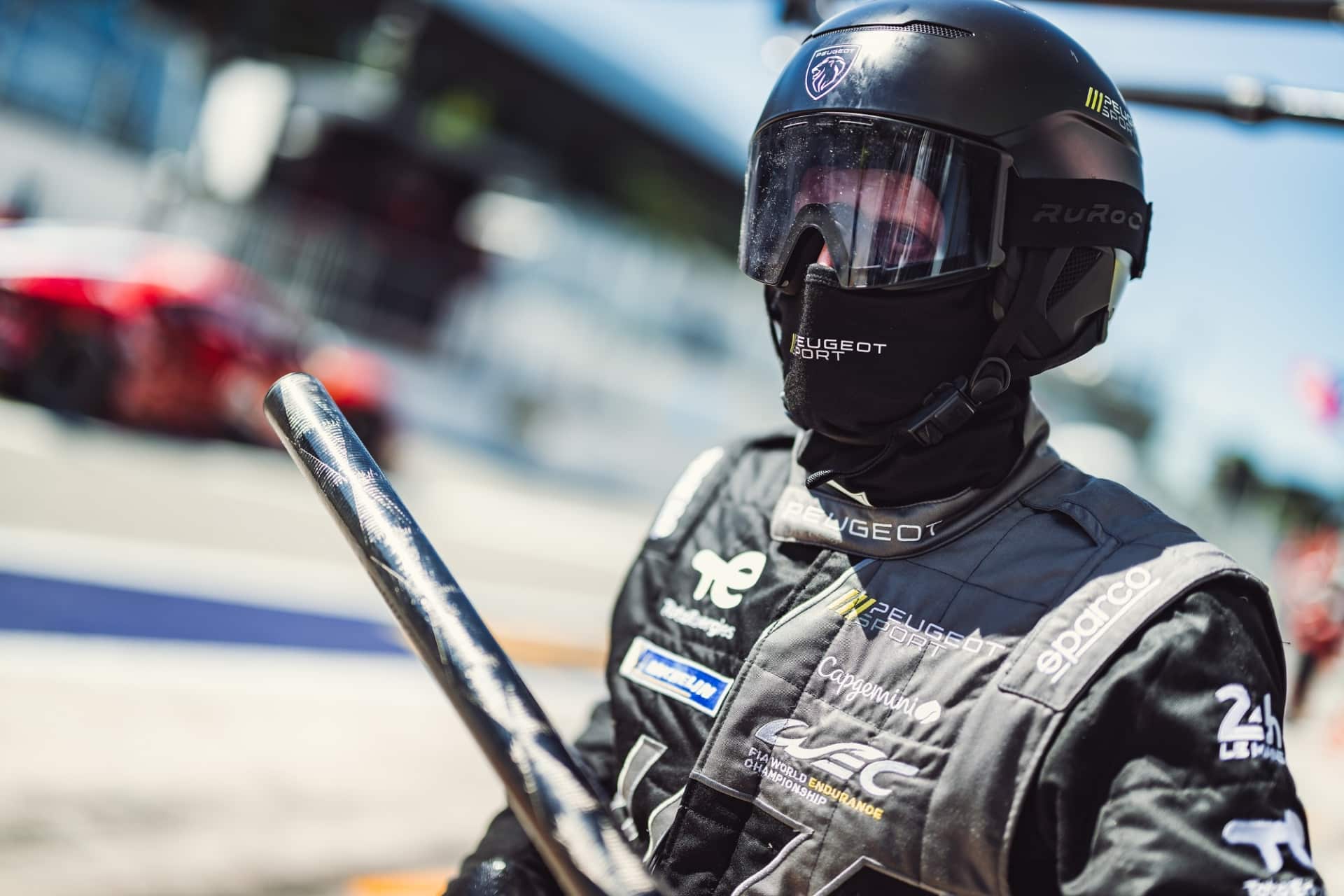
Among his responsibilities is leading the tyre team.
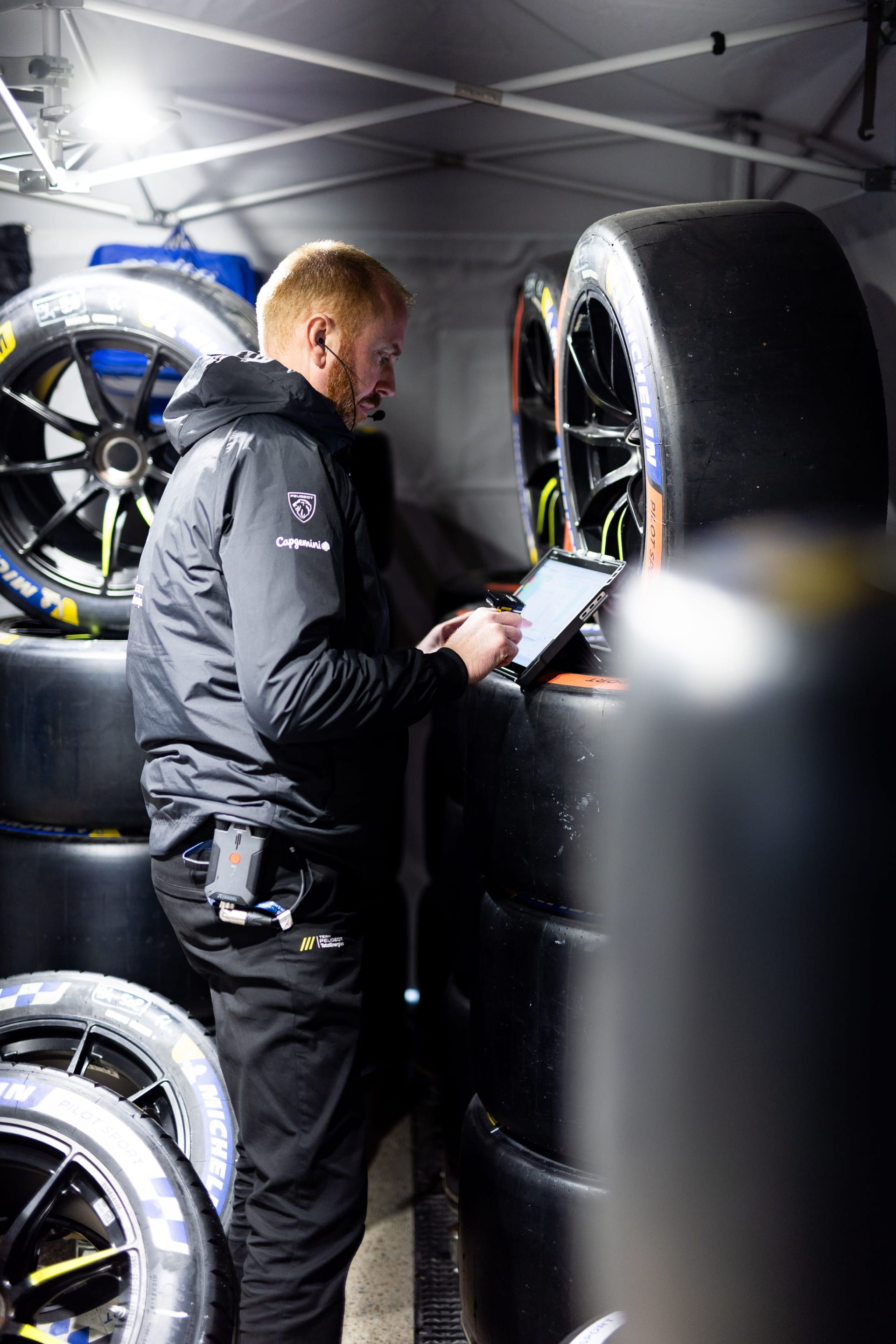
“The tyre team prepares the tyres and wheels before delivering them to the mechanics for fitting. We oversee the entire process to ensure each wheel assembly is correct—from the Michelin tyre and rim to the balancing weights and tyre pressures.”
Each step follows a strict procedure to guarantee both performance and compliance with FIA regulations.
“We set the cold pressures so that, by the end of the stint, they comply with FIA regulations. My role is to define these processes, oversee them, and ensure they’re followed consistently.”
Trackside Quality Manager
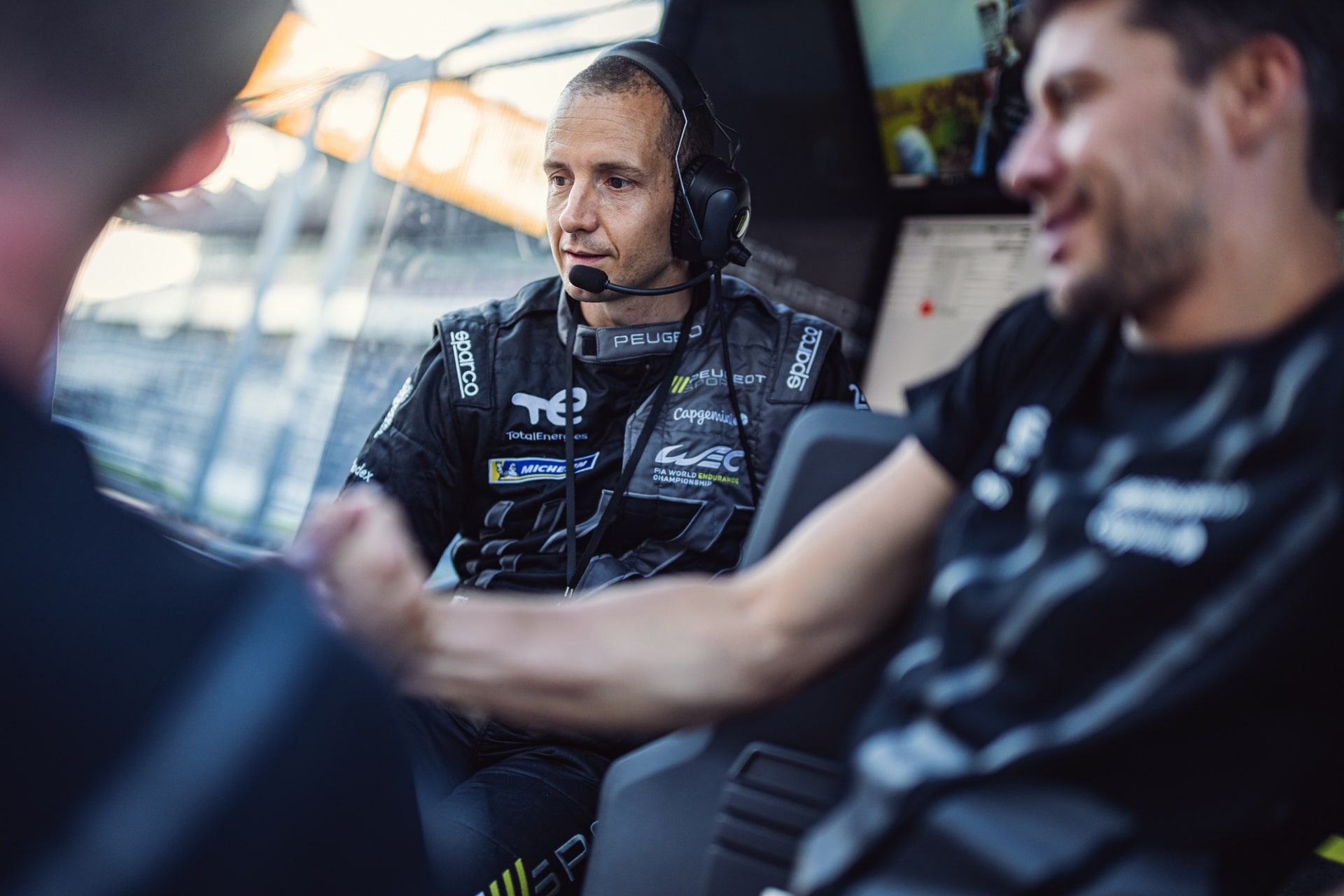
During race events, Olivier also resumes his role as Quality Manager, serving as the team’s main point of contact for all technical inspections (scrutineering).
“I make sure the car meets all the regulations before it goes to scrutineering. When the cars are called for inspection, I accompany the team and act as the main point of contact with the FIA technical scrutineers.”
This responsibility relies heavily on advanced inspection technologies.
“In the garage, I perform car scans throughout the event. We use a laser point-cloud scanning system. We overlay the scan data onto the car’s reference model to ensure every area remains within FIA tolerances.”
If any discrepancies are found, adjustments are made in collaboration with the Race Engineers before the official inspections.
“After qualifying, the top three or four cars in each category are typically called for mandatory scrutineering. After the race, it’s usually the podium finishers. The FIA can also request checks on specific parts of the car, and I’m there to ensure everything runs smoothly.”
Driven by Data
During track sessions, Olivier’s work is largely focused on tyre monitoring and data analysis.
After each stint, the tyres are inspected to provide valuable insights to the engineering team.
“We take photos, measure wear and report the data to the engineers in real time.”
The goal is to help the team adjust the setup or strategy as quickly as possible, if needed.
“If changes are needed—whether to camber settings or to address excessive tyre wear—we can react immediately. At that point, I temporarily step away from my quality and scrutineering responsibilities.”
When Every Detail Matters
In endurance racing, performance depends just as much on precision as it does on speed.
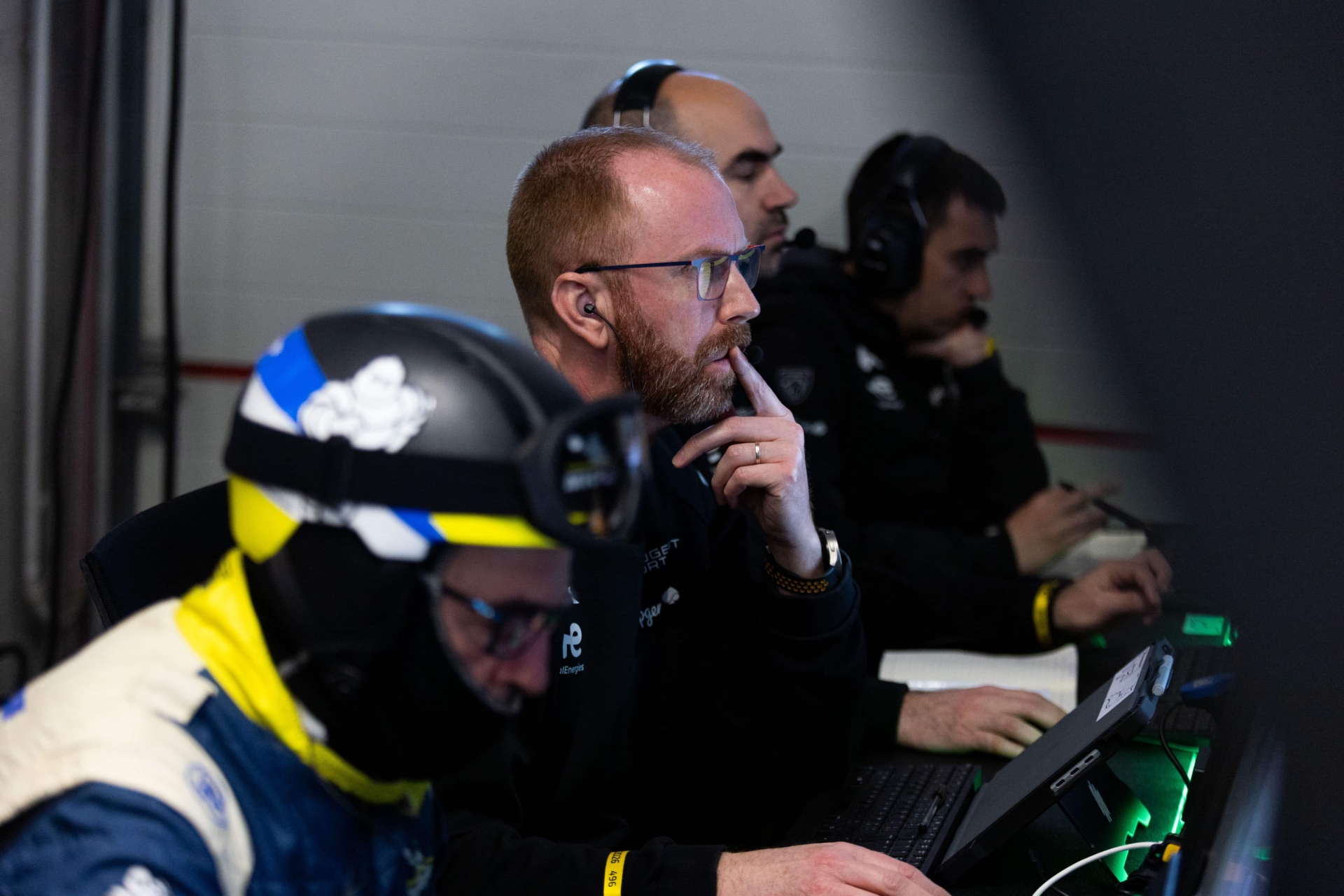
“If we want to achieve the ultimate goal of winning the 24 Hours of Le Mans, every detail matters. Every task must be carried out with absolute rigour. There is no room for error.”
Even the smallest discrepancy can have major consequences.
“The worst-case scenario is finishing in a strong position and then being disqualified after scrutineering. That’s simply not an option. That’s why we anticipate everything through our processes.”
Quality: A Team-Wide Culture
At Team Peugeot TotalEnergies, quality is not limited to a single department—it is embedded throughout the organisation.
“If we want to win in WEC, quality must be at the core of everything we do. It’s a true team effort involving every role and every stage of the process. Even a single bolt must meet precise quality standards.”
“From the Design Office to purchasing, from metrology to the laboratories, from assembly and disassembly to trackside operations, everyone contributes to the same goal: delivering the highest level of performance and reliability.”
“Quality extends from pit stops and race strategy to internal and external communications. It is inseparable from the level of rigour that defines endurance racing. More than a shared responsibility, it’s a collective mission.”
Managing the Unexpected Under Pressure
Even with perfectly defined procedures, some situations require immediate decisions.
“The FIA monitors the wheels through the TPMS (Tyre Pressure Monitoring System). A few minutes before qualifying, we realised that one sensor wasn’t performing properly and could have led to missing pressure readings.”
“Thanks to our software, we detected the issue very quickly. We immediately informed the Race Engineer. There wasn’t enough time to replace the TPMS, so we switched to another set of tyres instead. Part of my role is assessing and managing situations like this in real time.”
A Passion Born at Le Mans
Beyond processes and inspections, what has driven Olivier for more than 20 years is his passion for motorsport. He joined Peugeot Sport in 2003 in the materials laboratory and worked on several flagship programmes, including the 206 and 307 WRC cars, followed by the 908 project, which culminated in victory at the 24 Hours of Le Mans in 2009.
“I’m living my childhood dream every day. I was a kid sitting in the grandstands at Le Mans, amazed by what I saw and thinking how incredible it would be to work in those pit garages one day.”
Even after all these years, his enthusiasm remains unchanged.
“I’ve spent 23 years in motorsport. For me, it’s not a job—it’s a passion.”
24 Hours of Le Mans: A Unique Emotion
Even after eight appearances in the legendary race, the emotion remains just as strong every time he arrives at the circuit.
“The goosebumps start as soon as I catch sight of the circuit, and they never leave while I’m there.”
Beyond the competition, he highlights the human dimension of the experience.
“It’s an incredible feeling to be there, to experience such an intense sporting event with constant focus and discipline. But it’s also a human adventure— we spend so many hours together as a team. Combined with the adrenaline of racing, it’s something truly special.”
While experience now helps him manage pressure and fatigue, the intensity of the event never fades.
“I stay relatively calm because experience helps me manage the fatigue that comes with this kind of race.”
A Dream Becomes Reality
When asked to sum up his job in a single sentence, Olivier answers with the same sincerity that has driven him since the beginning:
“Believe in yourself, chase your dreams, and you’ll live meaningful experiences.”
It’s a message that perfectly reflects the journey of someone who turned a childhood passion into a career—from the grandstands at Le Mans to the pit lane of the FIA World Endurance Championship.
Other news
See all
21 09 2026
17 09 2026
08 09 2026
06 09 2026
31 08 2026
28 07 2026
13 07 2026
12 07 2026
06 07 2026
14 06 2026

07 06 2026

03 06 2026

09 05 2026

08 05 2026

04 05 2026

19 04 2026

18 04 2026

14 04 2026

31 03 2026

20 03 2026

26 02 2026

19 02 2026

05 01 2026

11 12 2025

26 11 2025

09 11 2025

08 11 2025

07 11 2025

06 11 2025

03 11 2025

24 10 2025

14 10 2025

28 09 2025

27 09 2025

22 09 2025

11 09 2025

08 09 2025

01 09 2025

13 07 2025

12 07 2025

04 07 2025

15 06 2025

15 06 2025

14 06 2025

11 06 2025

08 06 2025

02 06 2025

10 05 2025

09 05 2025

05 05 2025

20 04 2025

19 04 2025

14 04 2025

24 03 2025

01 03 2025

27 02 2025

22 02 2025

20 02 2025

18 02 2025

06 02 2025

16 01 2025

13 01 2025

06 01 2025

28 12 2024

05 12 2024

28 11 2024

26 11 2024

03 11 2024
03 11 2024

30 10 2024
18 10 2024
14 10 2024
15 09 2024

02 09 2024
29 08 2024

14 07 2024

16 06 2024
12 06 2024

09 06 2024

07 06 2024

29 05 2024

16 05 2024

11 05 2024
21 04 2024
20 04 2024
16 04 2024

23 03 2024

03 03 2024
01 03 2024

20 02 2024

14 02 2024
30 01 2024

24 01 2024

19 01 2024

16 01 2024

05 01 2024
03 01 2024

21 12 2023
18 12 2023
04 12 2023
27 11 2023
21 11 2023

06 11 2023
04 11 2023
03 11 2023
30 10 2023

09 10 2023
21 09 2023
10 09 2023
09 09 2023
28 08 2023

22 08 2023
19 07 2023
14 07 2023
09 07 2023

08 07 2023

03 07 2023
30 06 2023
11 06 2023

11 06 2023

10 06 2023
09 06 2023
07 06 2023
04 06 2023

03 06 2023
02 06 2023
22 05 2023
29 04 2023
28 04 2023
25 04 2023
20 04 2023
16 04 2023
15 04 2023
14 04 2023
11 04 2023

18 03 2023
17 03 2023
08 03 2023
20 01 2023

05 01 2023

16 12 2022

08 12 2022
25 11 2022
13 11 2022
11 11 2022

07 11 2022
04 11 2022
17 10 2022

10 10 2022
04 10 2022

23 09 2022

19 09 2022
15 09 2022

11 09 2022

10 09 2022
26 08 2022

16 08 2022

09 08 2022
01 08 2022

25 07 2022

21 07 2022
10 07 2022
09 07 2022

04 07 2022

20 06 2022
08 06 2022

23 05 2022

16 05 2022
05 05 2022

06 04 2022
25 02 2022
21 02 2022
20 01 2022
18 01 2022
12 01 2022
11 01 2022
30 11 2021

29 09 2021
06 07 2021
08 02 2021